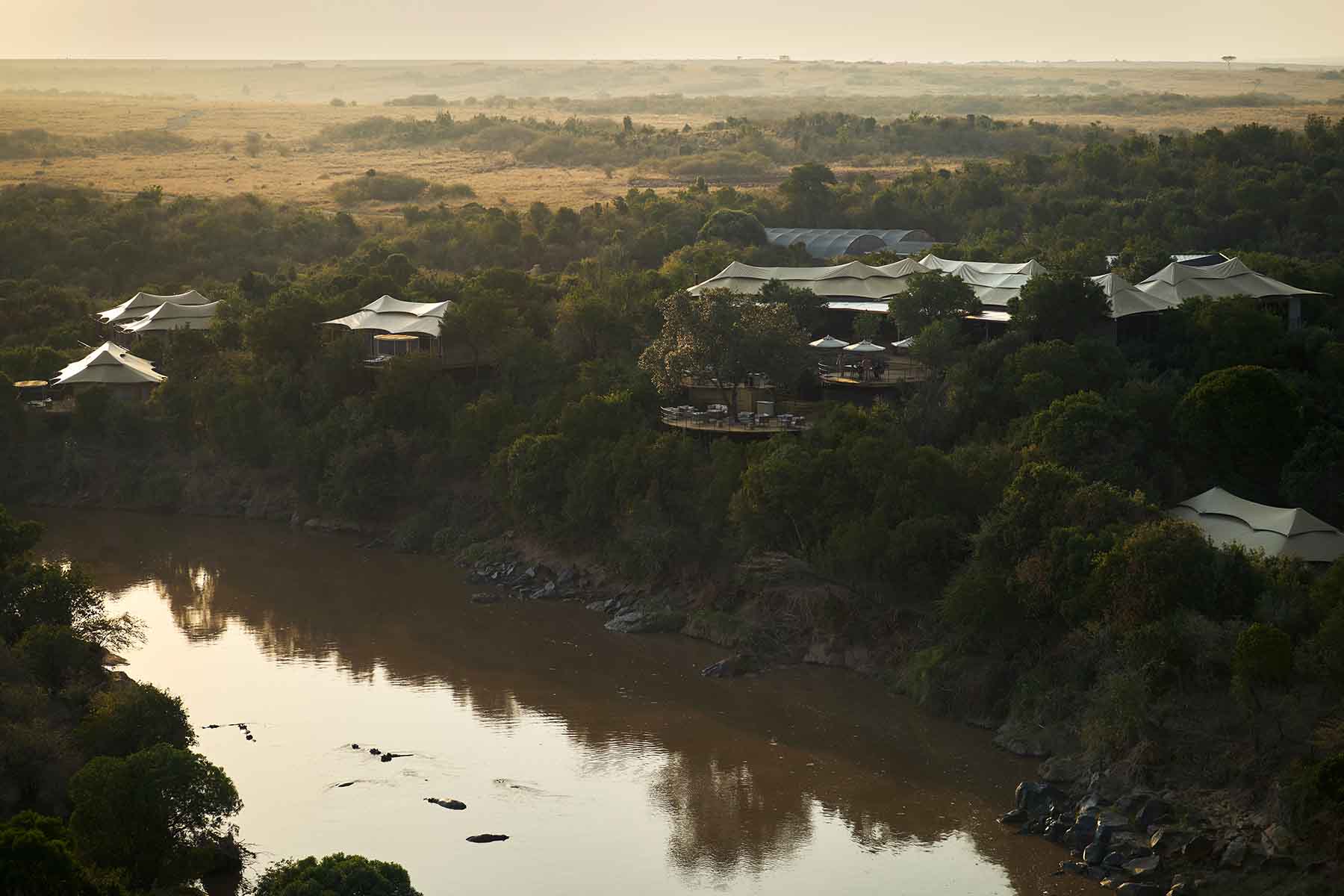
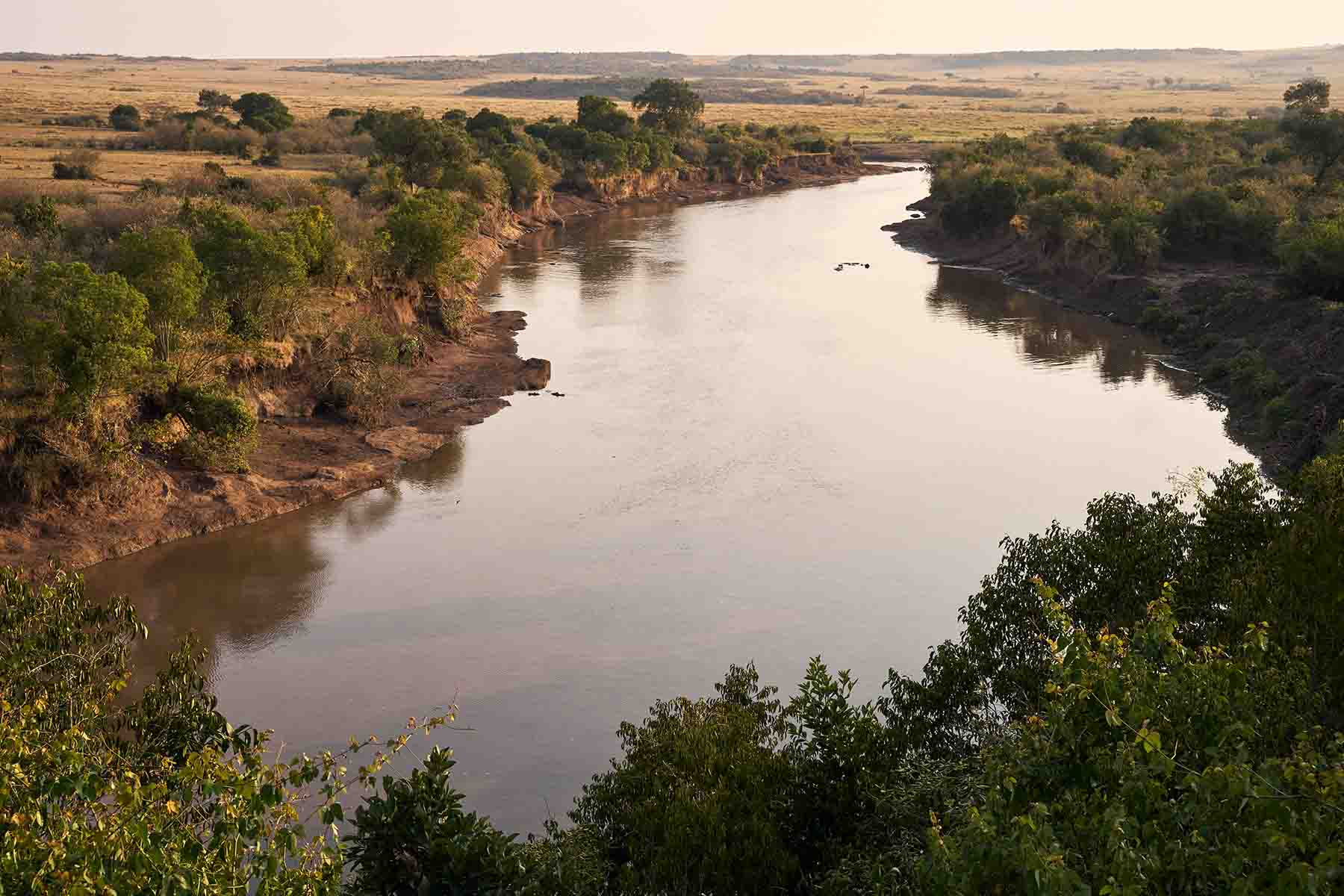
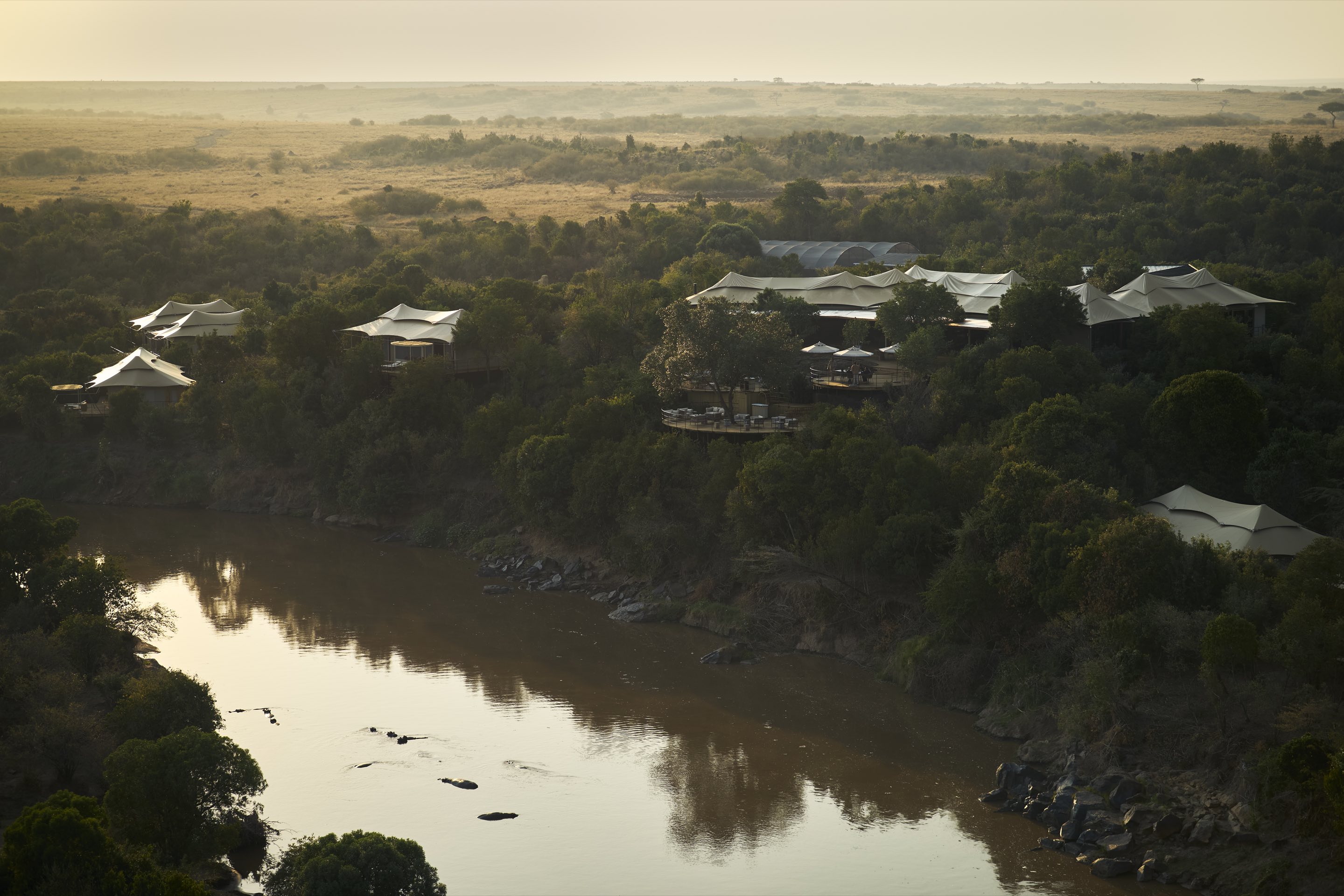
The Mara River winding through the trees below the camp

Conservation & Sustainability

How we care for this land, and for the people and creatures who share it.

Kinara, formerly Mara Eden Safari Camp, has been reimagined with care. Here, caring for the Mara is simply part of how we live and work.

Our Approach

Our approach rests on two connected ideas. Conservation is the land itself: the wildlife, the river and the Maasai culture woven through both. Sustainability is how we run the camp: largely on sunlight, with less waste and less water. Good intentions are only a beginning; progress comes through practical action, trusted partners and a continuing effort to understand our impact.

  • 250 kWPeak solar; off-grid, with solar meeting around 70% of daily needs
  • 1,000+Indigenous seedlings planted with CER-K, across 15+ species
  • ZeroSingle-use plastic
  • 50%Of our team is from the local community, with Maasai colleagues in senior roles
  • 85%Of construction waste (4,000 m³) segregated and recycled
  • 70%Of building materials sourced from Kenyan suppliers
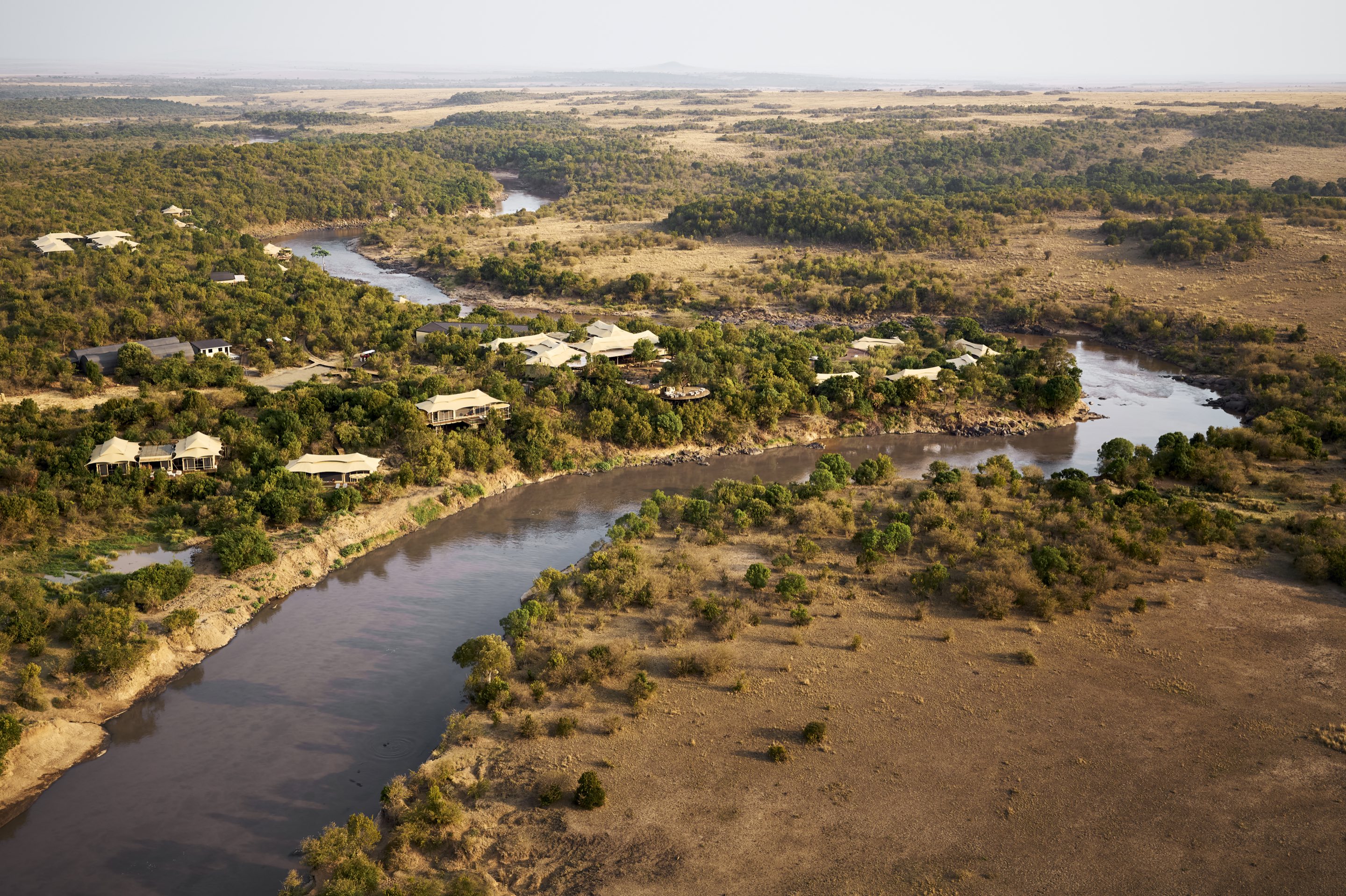
The Mara River curving through the plains
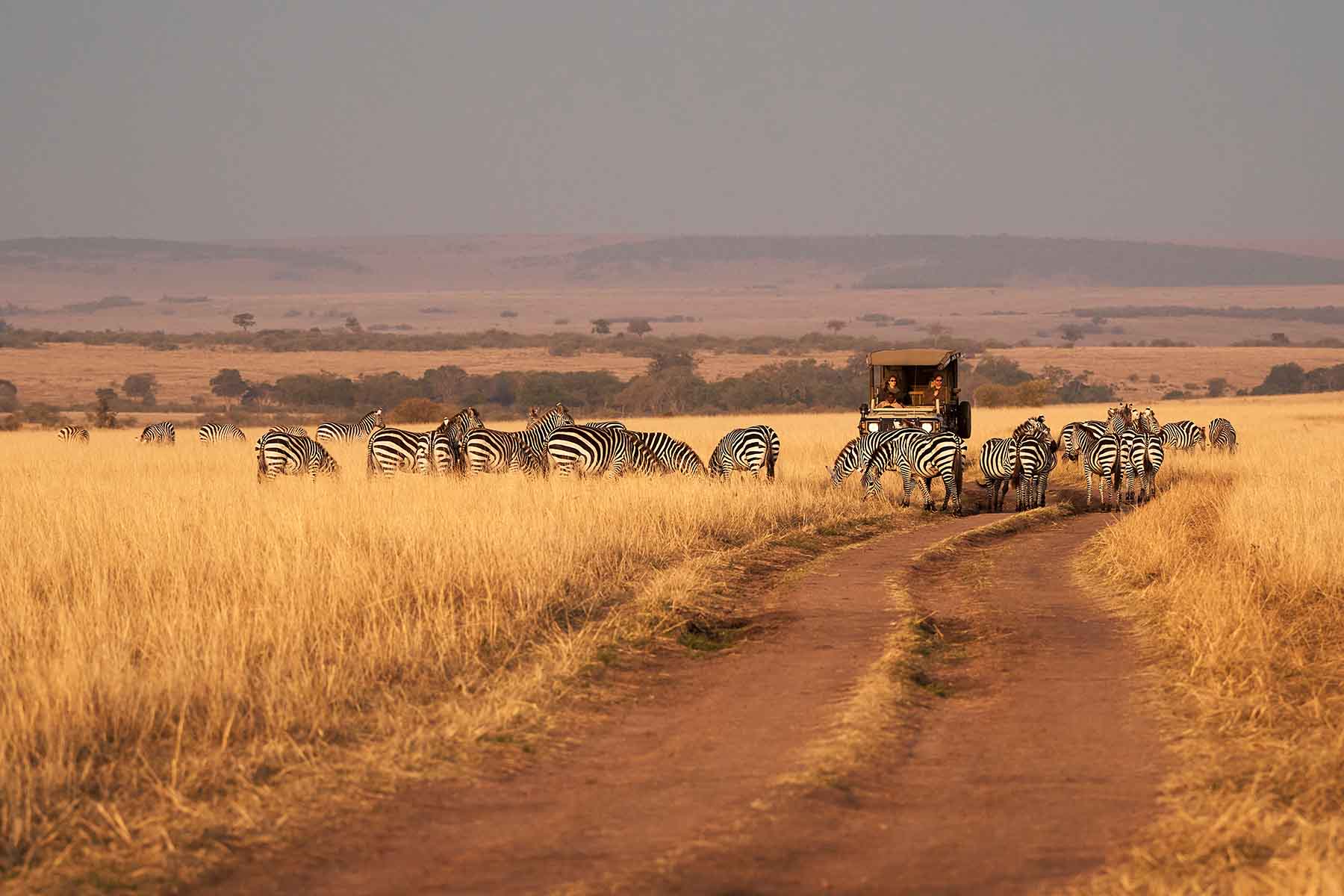
Herds crossing the plains at dusk

Four Pillars We Return To

  • Love & Protection

    You are cared for here, and so is the land around you. Tradition and the wild are one thing worth protecting, not two.

  • Now You See Me

    We draw you past the obvious sighting into the quieter life of the savannah, letting wonder arrive in its own time.

  • Healing Powers

    Walks, stillness and the wisdom of the land restore something in body, mind and spirit.

  • Naturally Interconnected

    Every root, stretch of river and creature shapes the balance of this land. That understanding guides how we care for it.

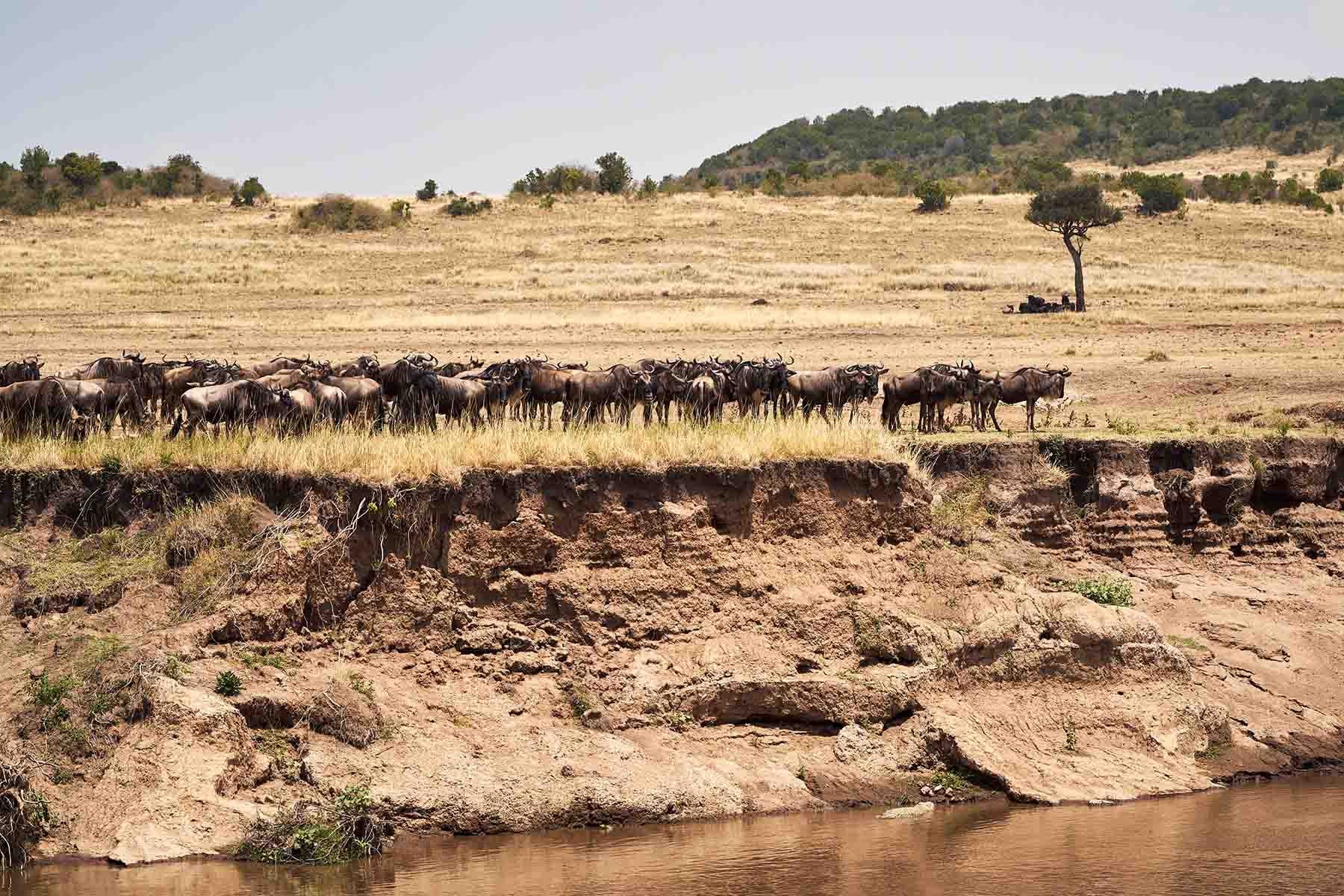
Wildebeest and zebra on the move along the river

Part One — Conservation

Conservation is the land itself: the wildlife, the river and the Maasai culture woven through both.

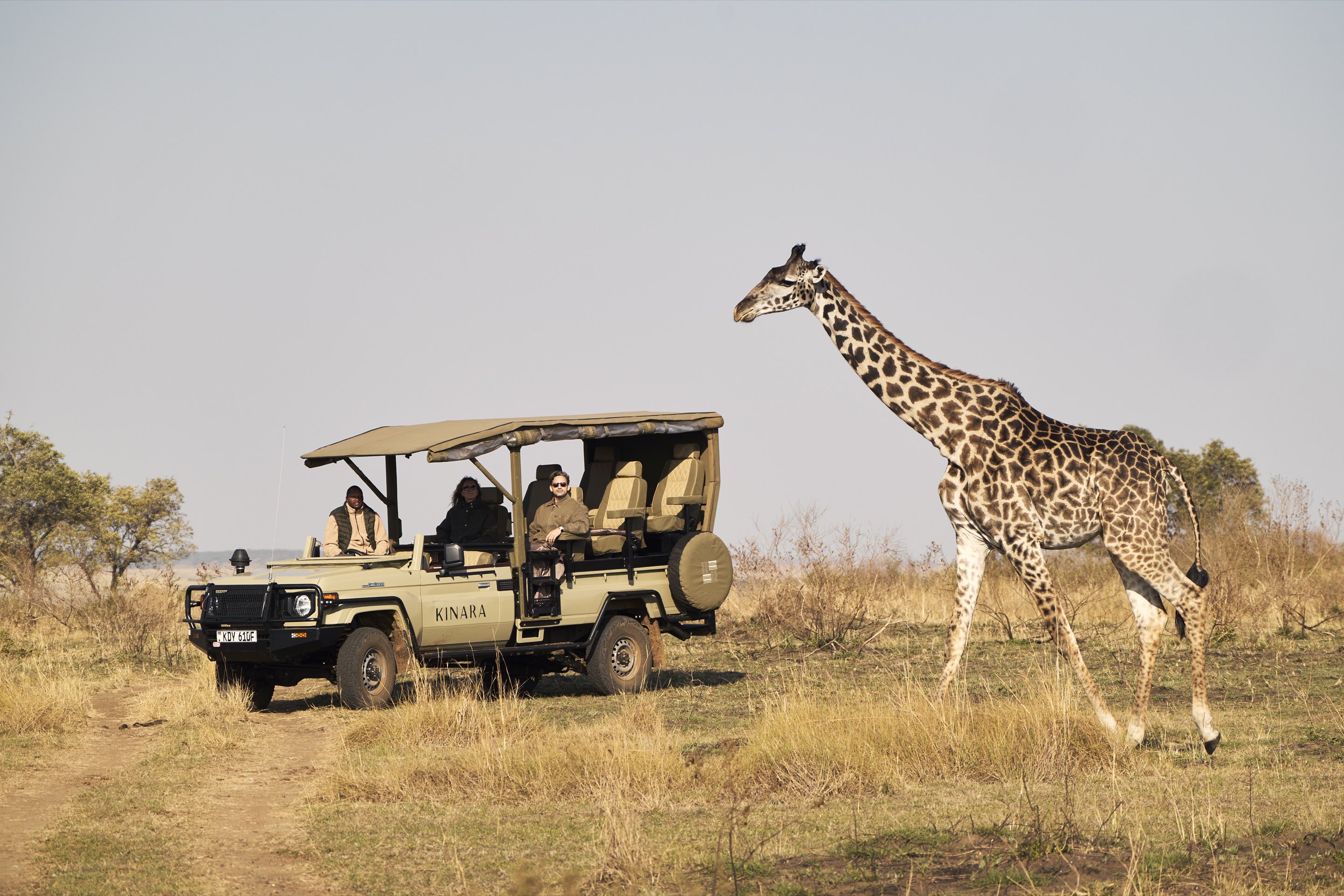
A giraffe walking past a Kinara vehicle
01

Wildlife Moves Freely

Kinara has no fences. Wildlife moves through the camp and along the Mara River on the routes it has always followed. You hear it before you see it: the water, a call from the far bank, then the animals themselves passing close. We built around these routes and left them as they were.

Kinara has no fences.

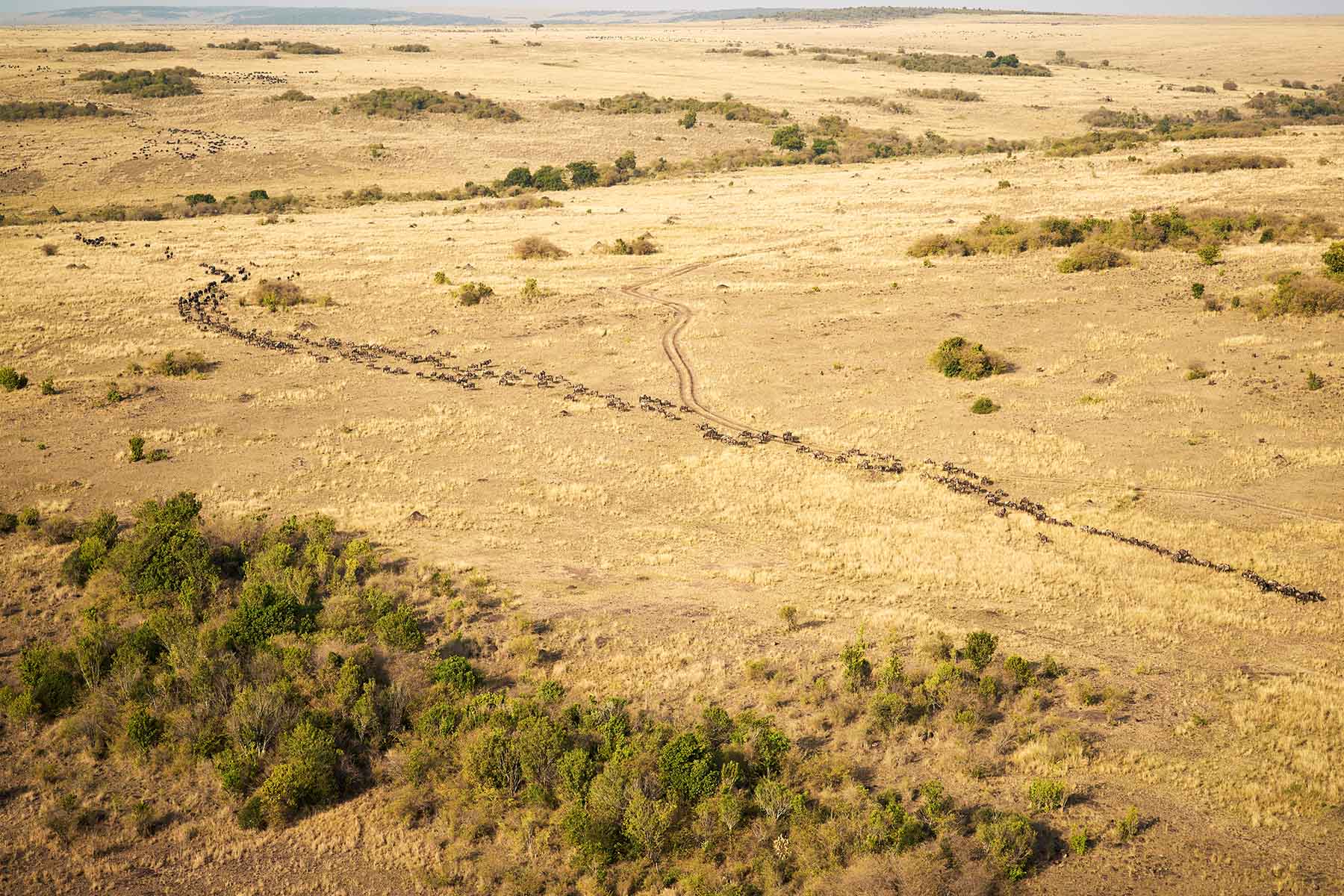
The open plains of the Mara from above
02

Grounded in Evidence

An independent third party established a biodiversity baseline for the site, followed by regular audits in line with Kenya’s National Environment Management Authority (NEMA) requirements. These track change over time and measure our restoration progress, so what we say about this place can always be checked against what is here.

An independent third party established a biodiversity baseline for the site, followed by regular audits in line with Kenya’s National Environment Management Authority (NEMA) requirements.

An acacia against the setting sun
03

Partners in Conservation

Our care reaches beyond the camp gate.

The Maa Trust – our principal community partner, working across women’s empowerment, education, health and enterprise in the communities bordering the Mara. Its beadwork lets a stay here benefit the community directly.

CER-K – our partner in seedling planting and restoring Kenya’s biodiverse landscapes.

Every guest – all guests pay the Maasai Mara National Reserve’s park fees, shared between the county government and the local community.

Our care reaches beyond the camp gate.

Our care reaches beyond the camp gate.

Read More

The Maa Trust – our principal community partner, working across women’s empowerment, education, health and enterprise in the communities bordering the Mara. Its beadwork lets a stay here benefit the community directly.

CER-K – our partner in seedling planting and restoring Kenya’s biodiverse landscapes.

Every guest – all guests pay the Maasai Mara National Reserve’s park fees, shared between the county government and the local community.

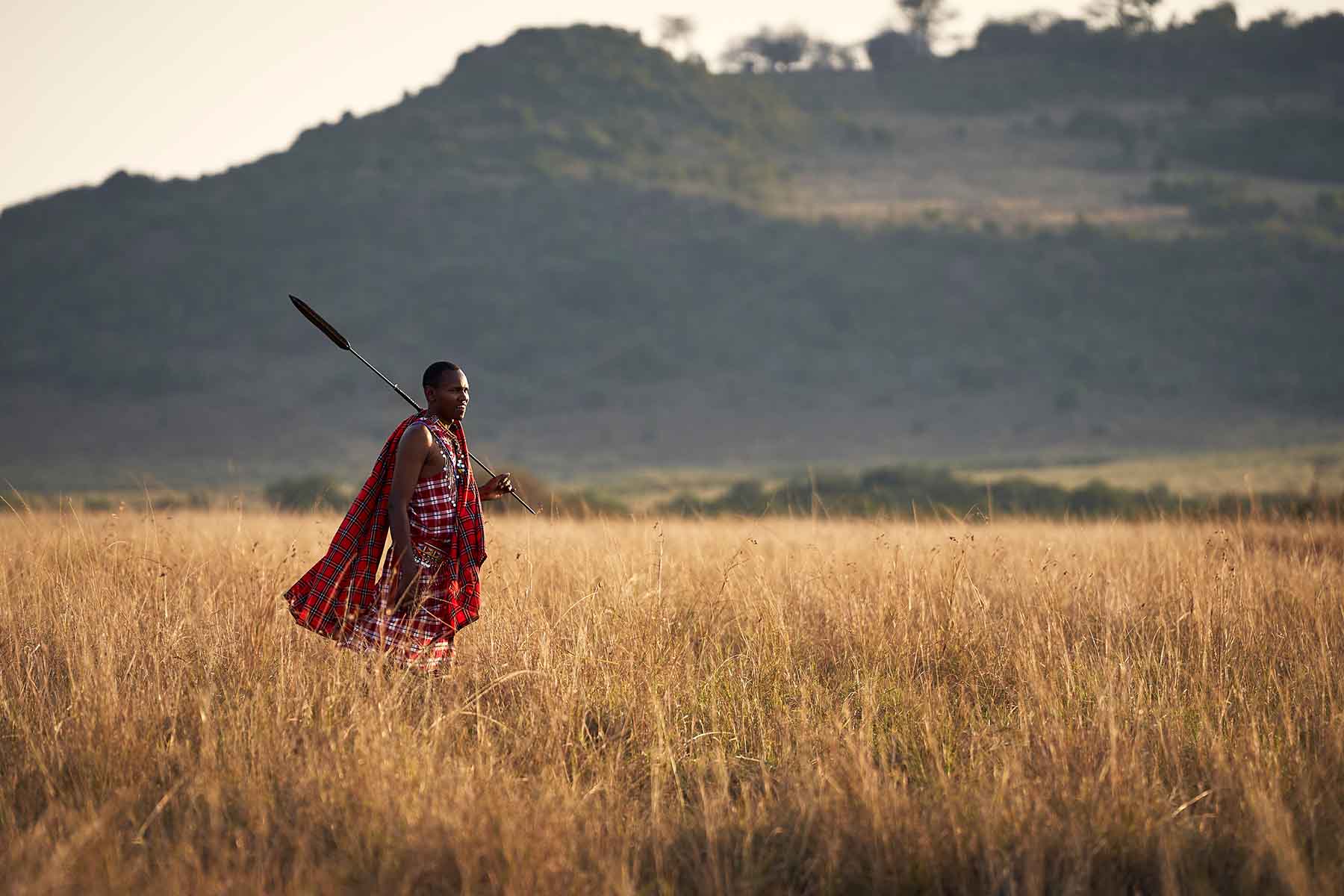
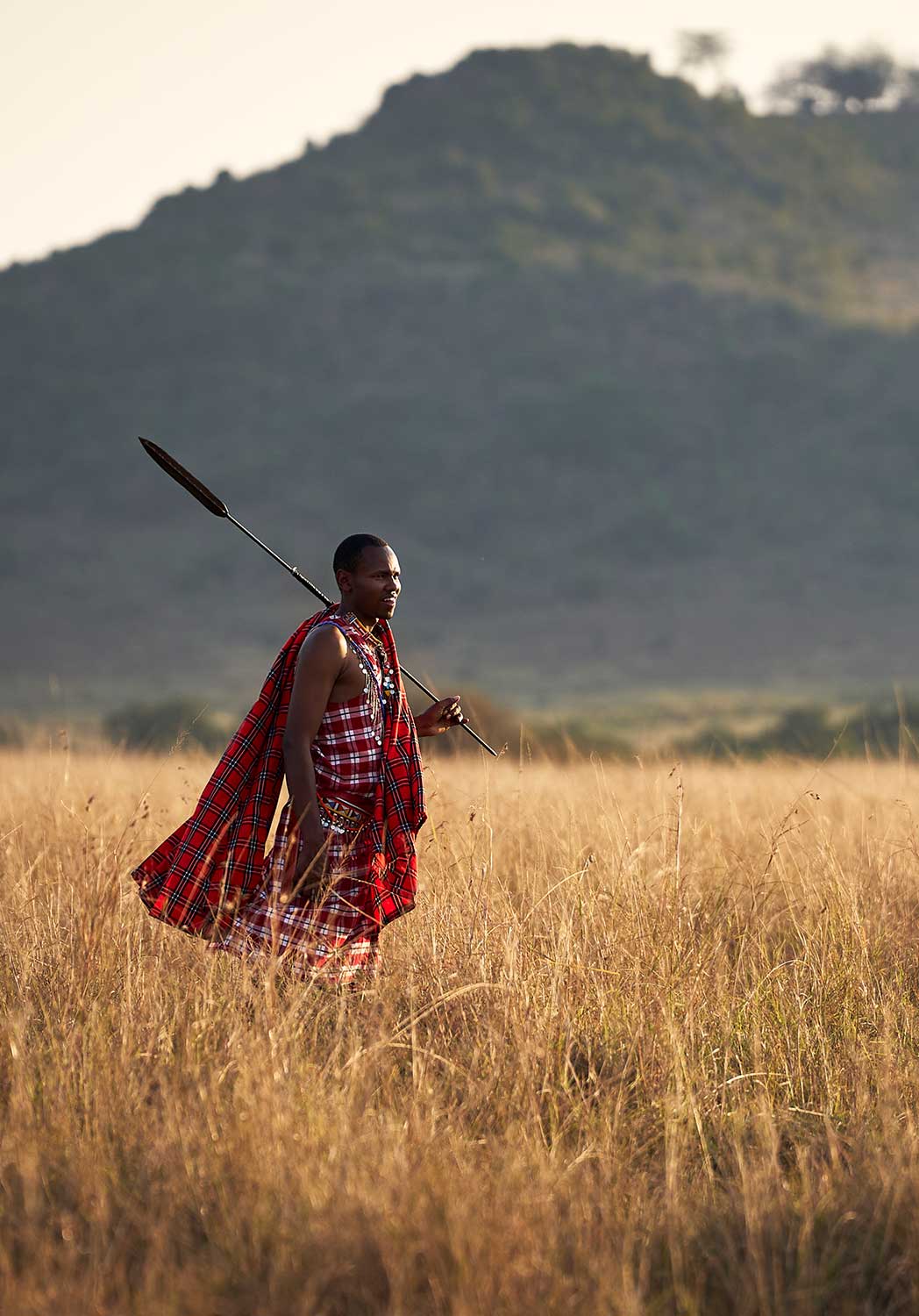
A Maasai guide in the grassland
04

Culture, Shared

Inside the camp, a small display of Maasai tools and objects is set out for guests to handle. The spear and shield protect cattle and family. The bow and quiver, once used for hunting, are now retired in favour of the camera. Gourds, calabashes and beaded necklaces are the work of the community’s women.

On arrival, each guest receives a handmade beaded bracelet that serves as their suite key, alongside the Mobile Key, and goes home with them as a keepsake.

Inside the camp, a small display of Maasai tools and objects is set out for guests to handle.

Inside the camp, a small display of Maasai tools and objects is set out for guests to handle. The spear and shield protect cattle and family. The bow and quiver, once used for hunting, are now retired in favour of the camera. Gourds, calabashes and beaded necklaces are the work of the community’s women.

Read More

On arrival, each guest receives a handmade beaded bracelet that serves as their suite key, alongside the Mobile Key, and goes home with them as a keepsake.

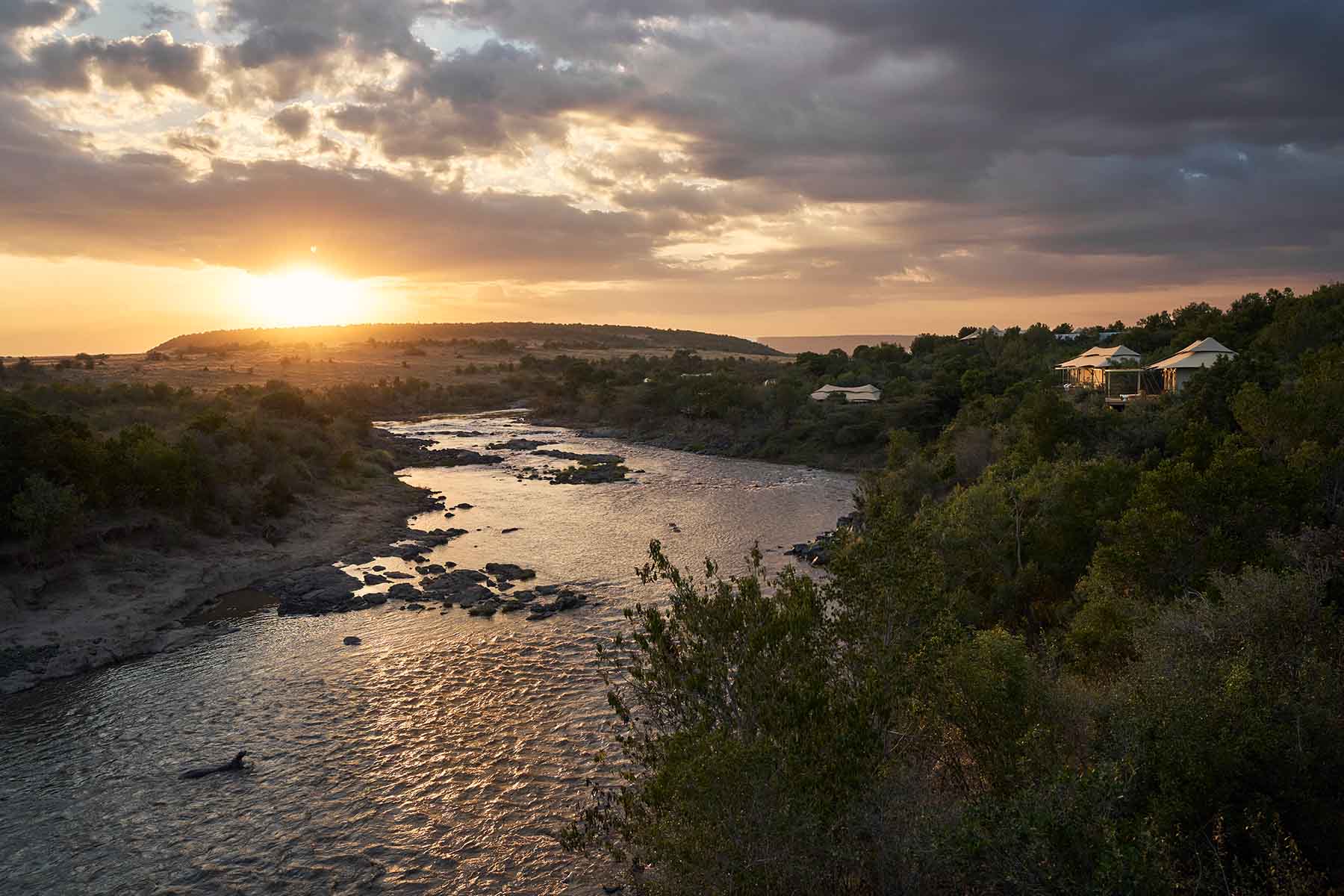
The Mara River winding through the trees at dusk
05

Restoring the Land & the Mara River

With CER-K, the community-led Centre for Ecosystem Restoration - Kenya, we are returning indigenous vegetation to the riverbank and the camp.

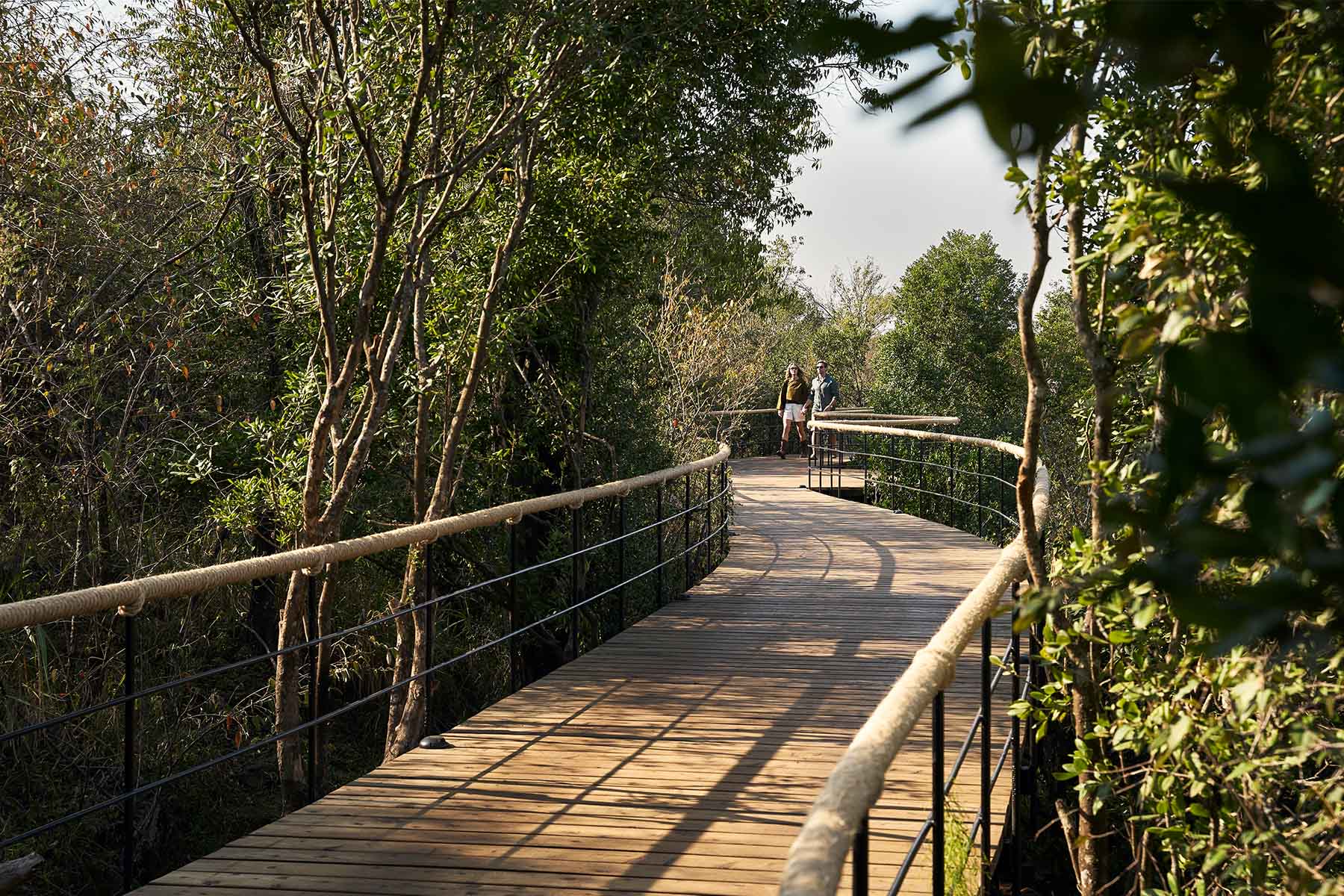
Under the camp. Creepers and vines planted beneath the decking and walkways soften the footprint and bring back foliage.

Along the river. In the third quarter of 2026 we planted 1,000+ indigenous tree seedlings from at least fifteen species suited to this ecosystem. Each is tagged and tended, so its progress can be followed.

The riparian buffer. This strip of vegetation holds the bank together, cools the water, shelters wildlife and filters pollution before it reaches the Mara. Without it, the bank would slowly give way.

Around the camp, landscaping favours indigenous species that ask for little water and little tending.
With CER-K, the community-led Centre for Ecosystem Restoration - Kenya, we are returning indigenous vegetation to the riverbank and the camp.

With CER-K, the community-led Centre for Ecosystem Restoration - Kenya, we are returning indigenous vegetation to the riverbank and the camp.

Read More

Under the camp. Creepers and vines planted beneath the decking and walkways soften the footprint and bring back foliage.

Along the river. In the third quarter of 2026 we planted 1,000+ indigenous tree seedlings from at least fifteen species suited to this ecosystem. Each is tagged and tended, so its progress can be followed.

The riparian buffer. This strip of vegetation holds the bank together, cools the water, shelters wildlife and filters pollution before it reaches the Mara. Without it, the bank would slowly give way.

Around the camp, landscaping favours indigenous species that ask for little water and little tending.
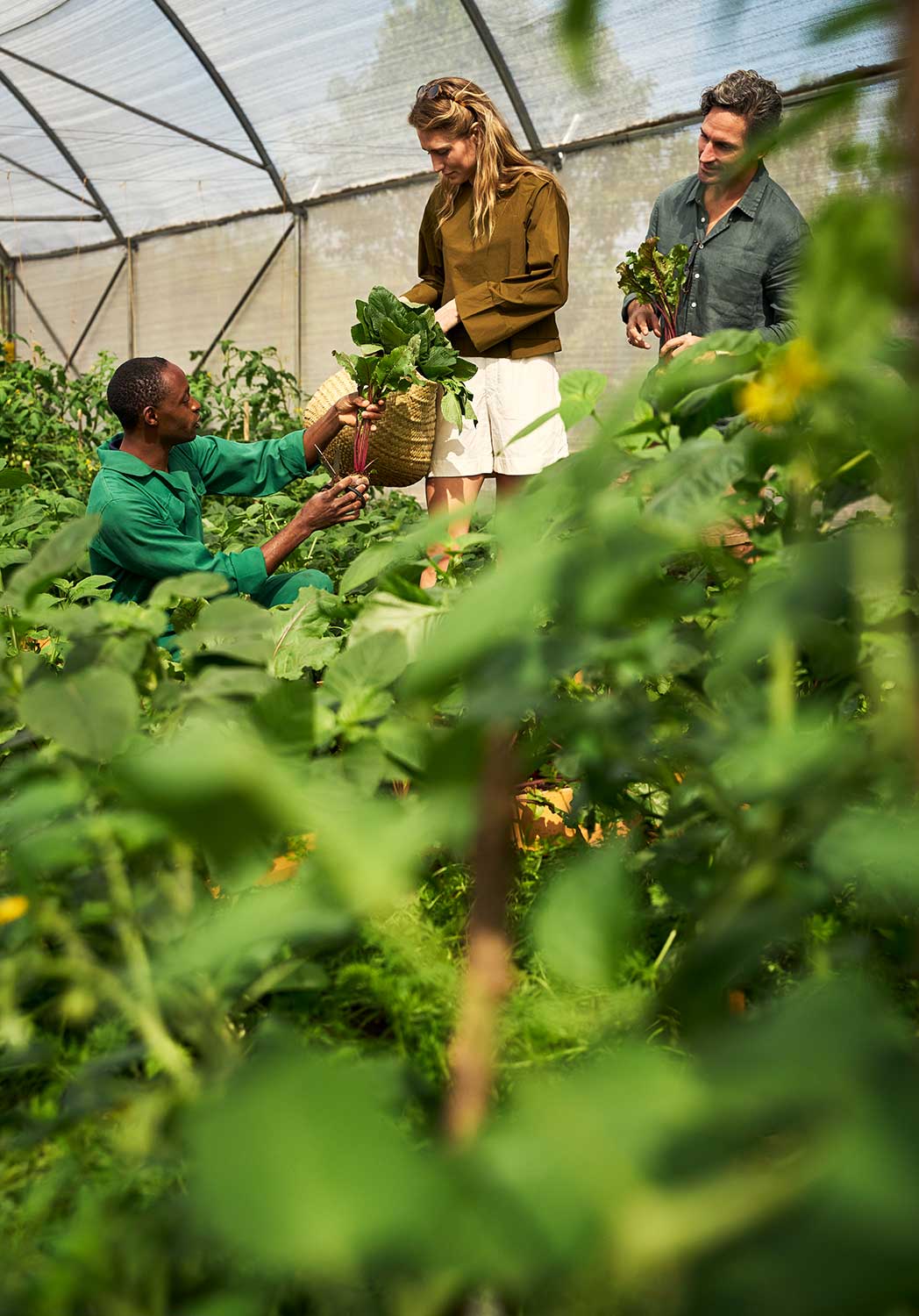
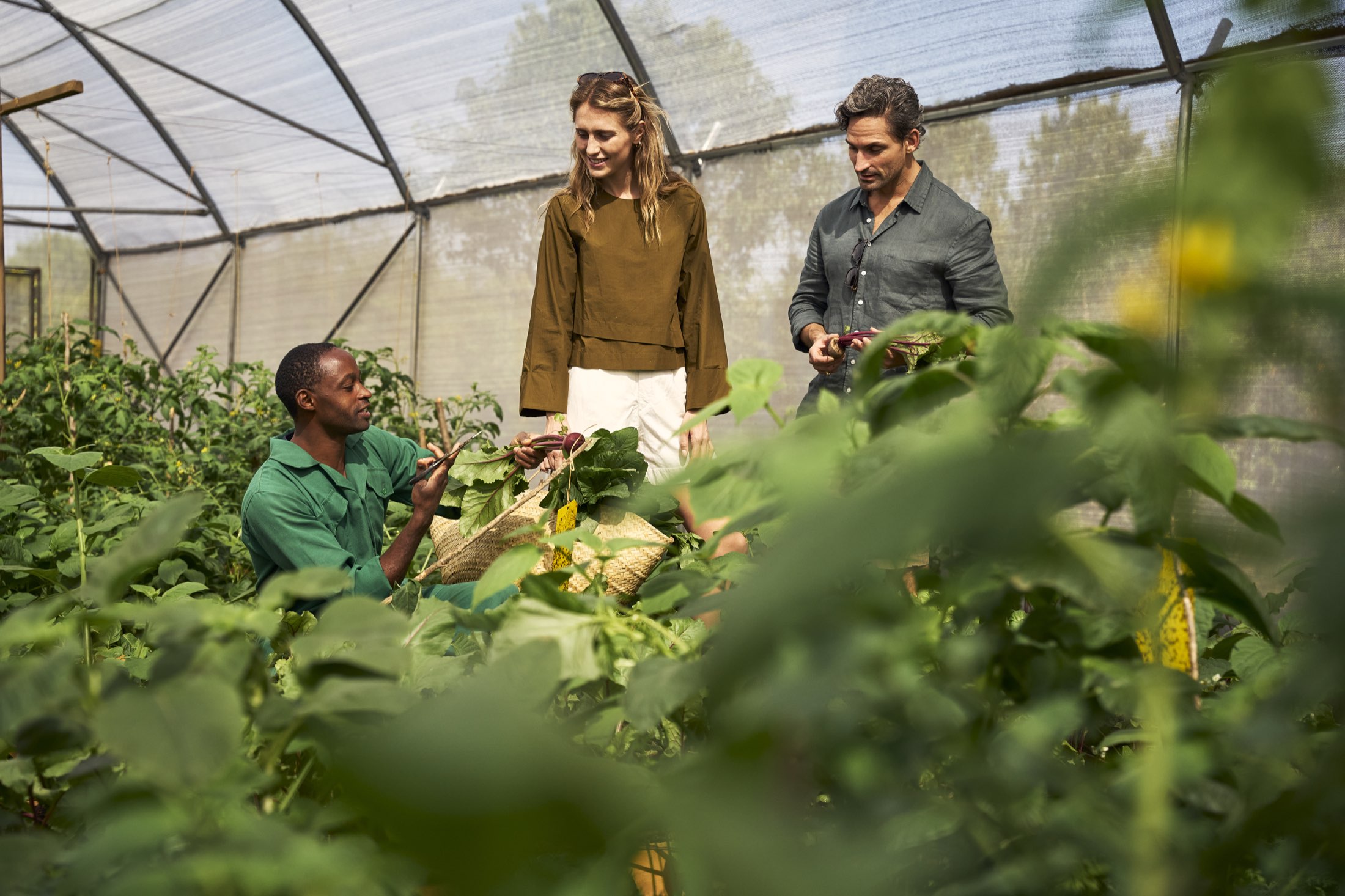
Guests with a gardener in the Kinara greenhouse
A Maasai guide walking through the grassland

How You Can Take Part

Conservation at Kinara is not something to watch from a distance. Ask us at camp about anything you would like to see or learn.

  • Seeds of Renewal

    Plant a native seedling and help restore the grassland.

  • Guided Skywalk

    Walk the camp’s elevated deck with our team.

  • Maasai Stories and Dance

    Around the fire and on the Main Deck, a local Maasai artisan hosts conversations and craft sessions. The evening dance opens with an invitation: “Tonight we don’t perform for you; we dance with you.” Guests join the Moran in the adumu, the jumping dance.

  • Living Museum & Discovery Hub

    A quiet space of natural specimens and stories of Mara wildlife and community heritage.

  • Beadwork Session

    Learn the symbolism and stories behind Maasai beadwork with the Maa Trust at camp.

  • Visit Our Partners

    See the projects Kinara is part of.

  • Use a Little Less

    Keep your bottle with you and your towel on the rail.

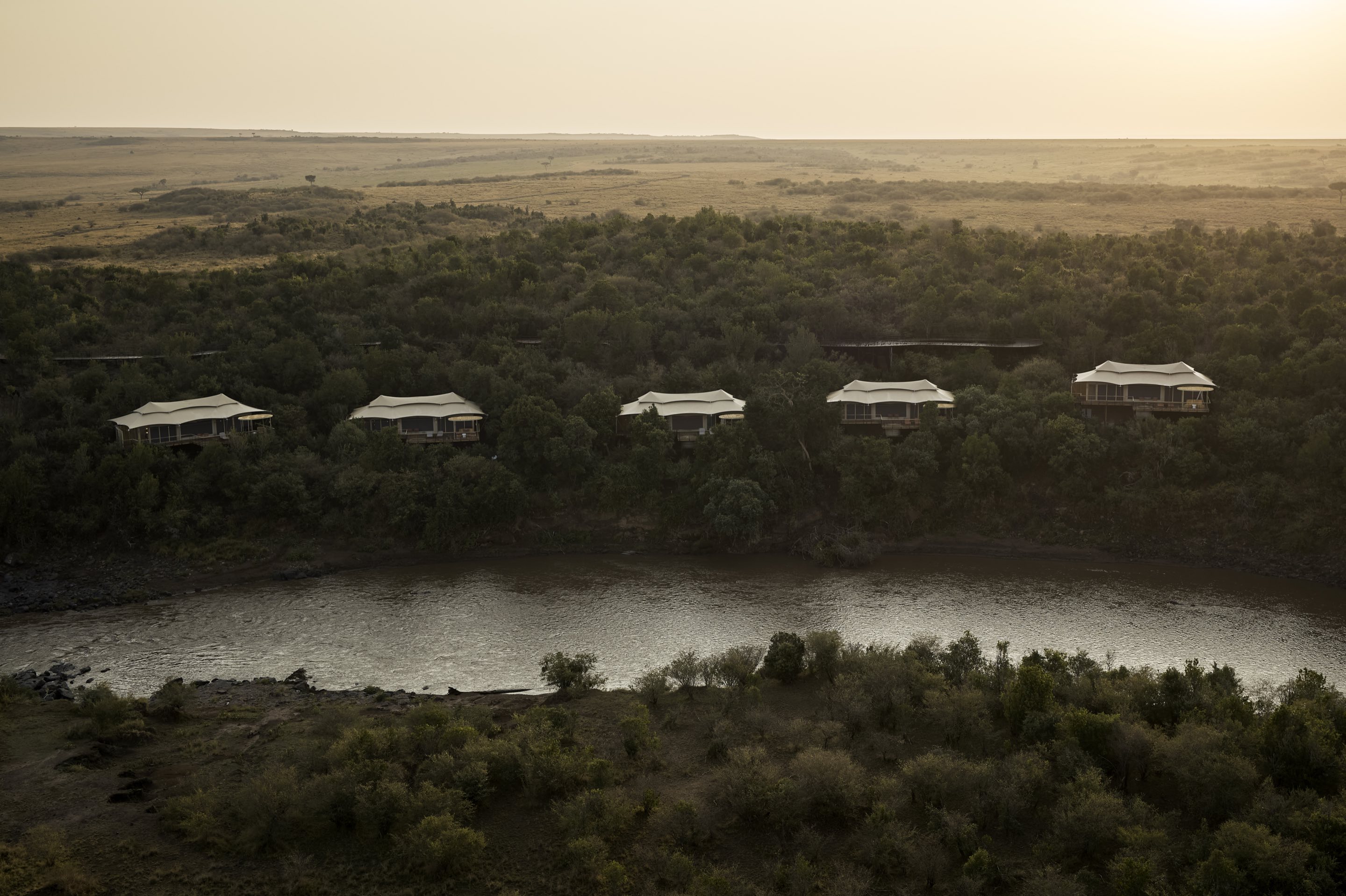
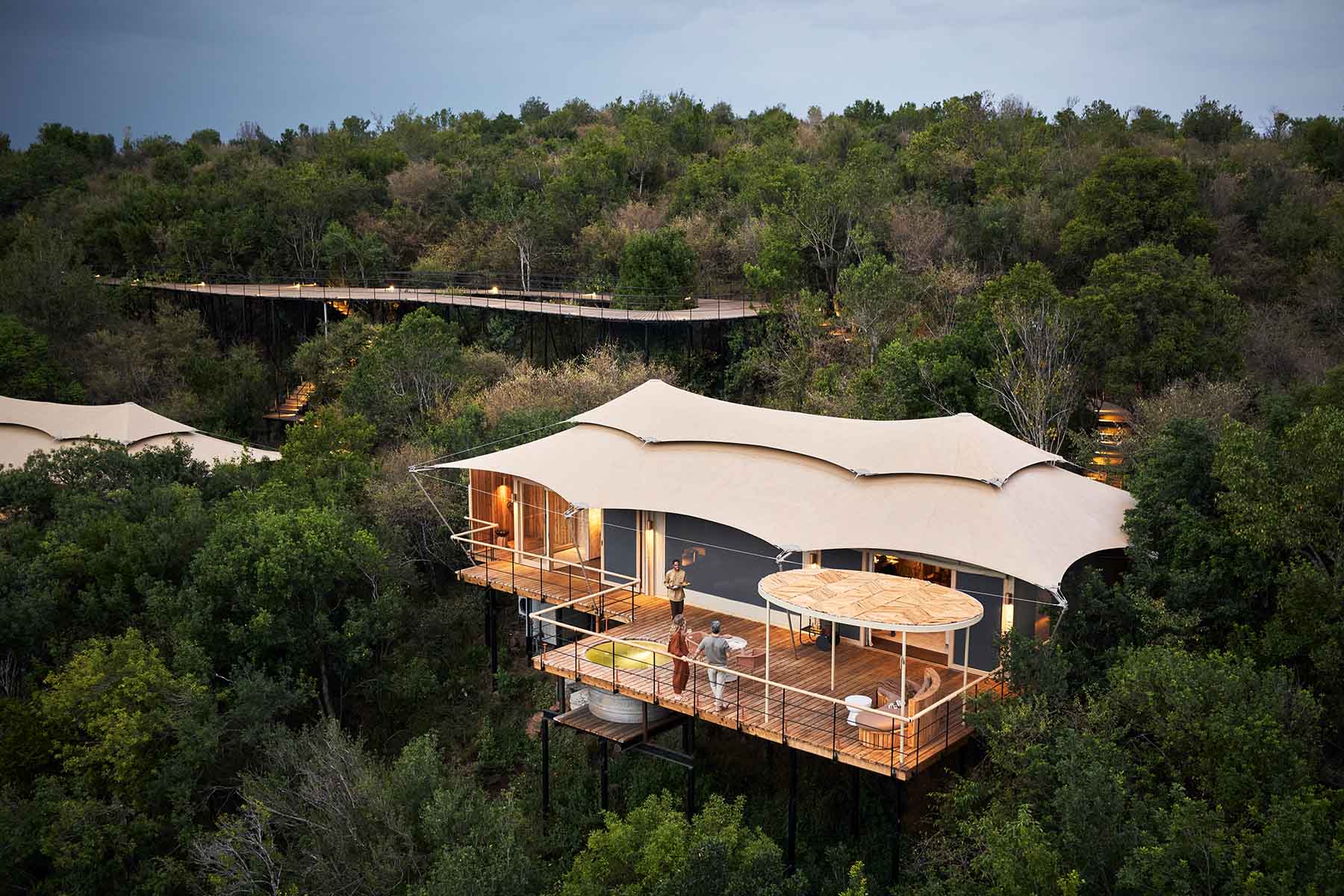
Tented suites above the river at dusk

Part Two — Sustainability

Sustainability is how we run the camp: largely on sunlight, with less waste and less water.

Building Lightly

Every choice began with what was already here. The first part of our story is how Kinara was built; the second is how we live lightly on this land every day.

How we built

  • Minimal Clearance

    Mature trees were kept, and buildings were repositioned to sit with the terrain, including guest tents one and two, the Discovery Lounge and the pool at Under the Acacia. We used existing roads and ground that was already disturbed.

  • Services Out of Sight

    Around 80% of mechanical, electrical and plumbing lines were laid beneath the elevated walkways, sparing the earth unnecessary digging.

  • Respect for the Night

    Night works were kept to a minimum so hippos and elephants could move undisturbed.

  • Certified Timber

    Sourced from approved areas around Nanyuki. Our main supplier, Mt Kenya Mills, is approved and certified by the Kenya Forest Service.

  • Recycled Materials

    Insulation and wall banding use locally made eco-board, pressed from wastepaper and cardboard. 30% of the steel is recycled from scrap metal.

  • Made in Kenya

    70% of building materials came from Kenyan suppliers. All steel and exterior timber decking were sourced locally and installed by Kenyan labourers.

  • Waste Kept Low

    A construction waste plan saw 85% of waste (around 4,000 m³ of timber offcuts, metal and canvas) segregated and recycled. The rest found new life: corrugated iron sheeting went to the local community and our team, and PVC offcuts became seedbeds. Modular design kept work on site light.

How we live today

  • Natural Airflow

    Cross-ventilated roofs and netted weather blinds on windows and doors let air move through the tents naturally.

  • Low Light, Quiet Nights

    Artificial lighting is kept to a minimum to save energy and leave wildlife to its natural rhythms.

  • Open Paths

    Wildlife routes through the camp stay open, and we manage our footprint around them.

A raised walkway through the trees
A tented suite among the trees, from above

Energy & Climate

Kinara takes its name from the Maasai word for “bearer of light,” and here the light is quite literal. The camp is off-grid, with solar meeting around 70% of daily needs and a generator covering the rest.

  • 250 kWPeak solar installation
  • 1 MWhGenerated per day, at best
  • 250 kWhSupercapacitor storage

Hot water comes from heat pumps.

The Mara River seen from the camp
The Mara River at sunset

Waste & Water

Less comes in, and what remains is sorted, reused or returned to the land.

  • Zero Single-Use Plastic

    Toiletry bottles, water bottles, straws and food wrap have been replaced with glass, metal, bamboo and other reusables, in line with Maasai Mara National Reserve rules. Each guest receives a reusable bottle, refilled daily at our water stations.

  • Sorted at Source

    Waste is separated in the kitchens, the Larder and every suite, so more can be reused, composted or recycled. A certified collection company handles the rest.

  • Water with Care

    Greywater is filtered naturally through reed beds and reused in the landscape and nursery. Dual-flush cisterns, low-flow fittings and sub-metering keep use in check.

  • Towels

    A towel left hanging is still in use and is not changed, a quiet habit that saves water and detergent.

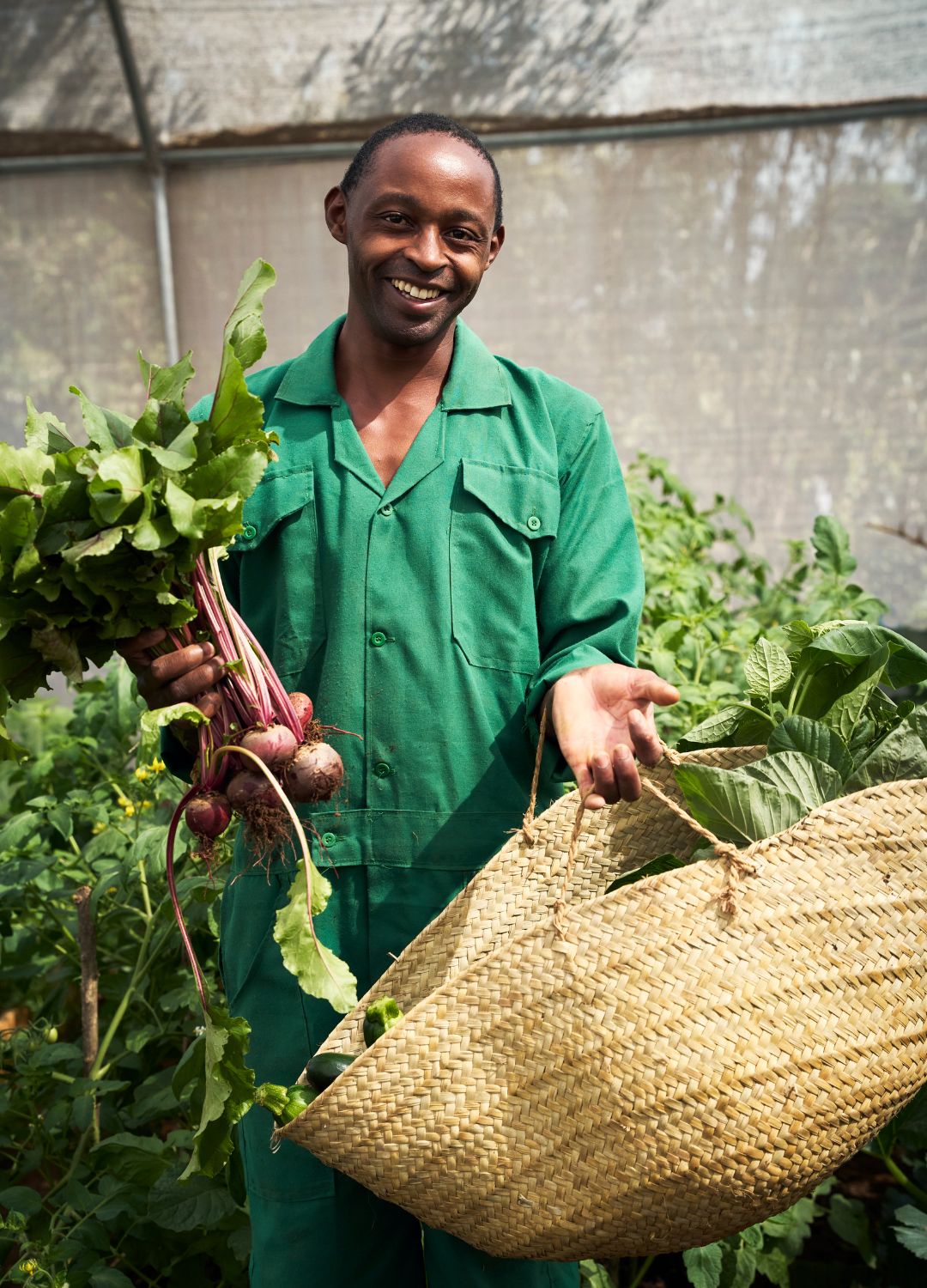
Guests with a gardener at the Kinara farm
Fresh produce from the Kinara farm

Food, Suppliers & People

  • Farm to Table

    The Living Pantry, our on-site vegetable, fruit and herb garden, supplies the kitchen, and kitchen waste returns to it as compost. You are welcome to wander through it.

  • Local Suppliers

    We buy locally wherever we can, from food to furniture, supporting small businesses nearby.

  • Our People

    Half our team is from the local community, with Maasai colleagues in senior roles. Our HR framework follows Kenya’s Employment Act 2007.

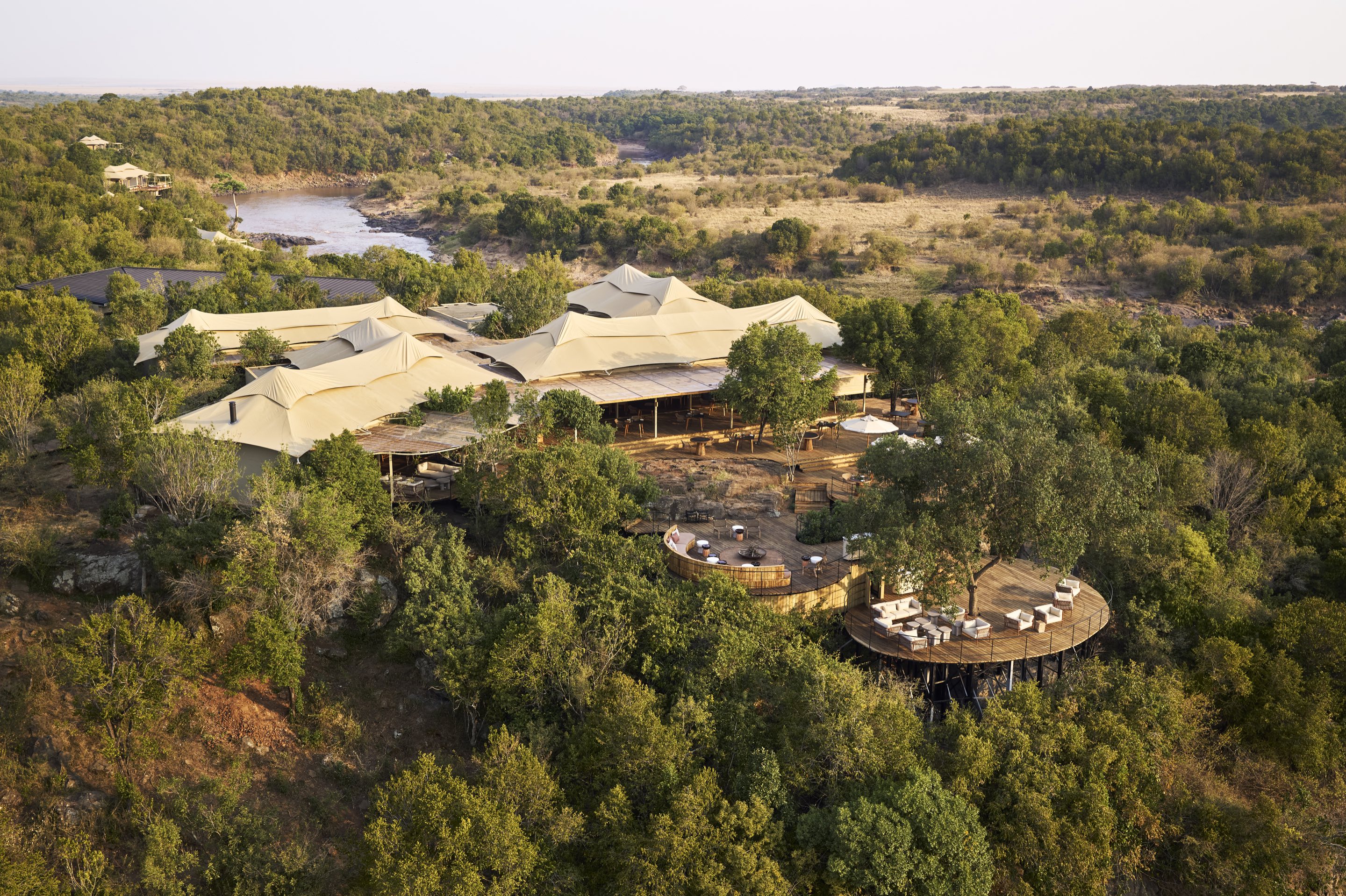
Kinara among the trees beside the Mara River, from above
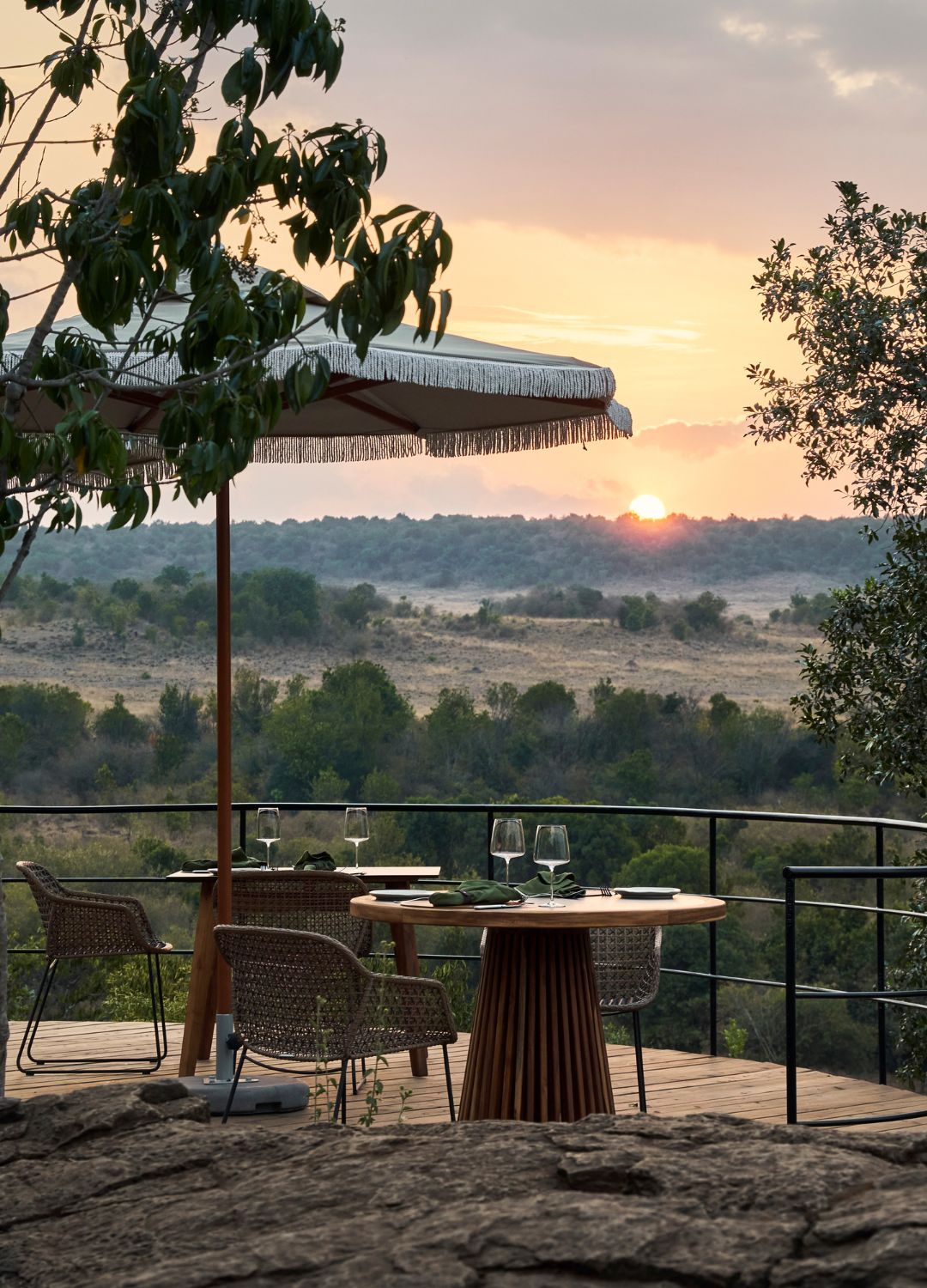
A table set for sundowners above the plains

Certifications & Accountability

We are working towards the Ecotourism Kenya Silver Eco-Rating, which assesses environmental, social and economic criteria. Our operations follow the rules of the Maasai Mara National Reserve and NEMA requirements.

The pool deck and fire pit at Kinara
Book Now

Begin Your Journey to Kinara

Book Now